
No assassination trial
Lee Harvey Oswald was killed two days after Kennedy's assassination. As a result, the evidence against him was never tested through a completed criminal trial.
Historical research
The assassination continues to attract historical research because the documentary record is exceptionally large, the accused assassin died before trial, official investigations reached findings that have themselves been repeatedly examined, and archival releases have continued for decades.
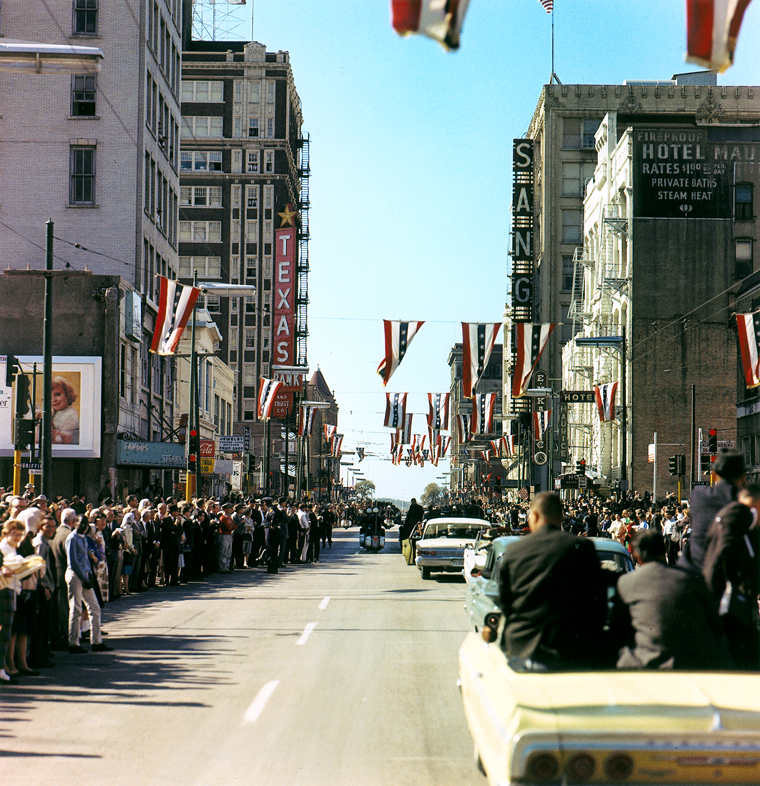
Why historians return to the case
Lee Harvey Oswald was killed two days after Kennedy's assassination. As a result, the evidence against him was never tested through a completed criminal trial.
The Warren Commission reported in 1964. The House Select Committee on Assassinations revisited the case in the 1970s, and the Assassination Records Review Board later supervised the release of assassination-related records.
The National Archives says the President John F. Kennedy Assassination Records Collection contains more than six million pages together with photographs, motion pictures, sound recordings and other material.
Records have continued to be released and digitised over many years. That continuing access gives researchers additional material to compare with earlier investigations and historical claims.
Witness recollections, medical evidence, photographic material, ballistics, intelligence records and later investigative findings have all generated areas of disagreement that researchers continue to examine.
Dealey Plaza, Oak Cliff, Parkland Memorial Hospital, Mexico City, New Orleans and numerous government agencies form a complex documentary network that rewards structured chronological research.
Archive access
The size of the record makes source identification especially important. A useful historical database should distinguish an original document, contemporary testimony, an official investigative finding and a later interpretation rather than treating them as equivalent evidence. The National Archives continues to provide the central federal collection for assassination-related records.
Structured archive
Use people, events, dates and places to explore the historical record rather than relying on a single narrative.